Category: Technology

Home / Category: Technology

Introduction to GM TECH2 Scanner

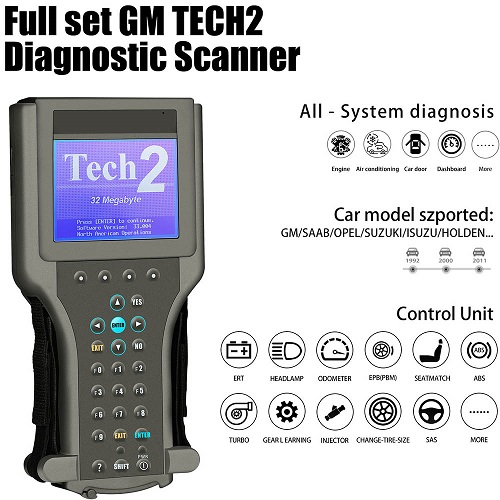
The automotive industry has evolved rapidly, and modern vehicles require advanced diagnostic tools to identify and resolve complex issues. Among these tools, the GM TECH2 Scanner stands out as one of the most reliable and widely used diagnostic devices for General Motors vehicles. The GM TECH2 Scanner is designed to provide professional-level diagnostics, allowing mechanics and car enthusiasts to access deep vehicle systems, read fault codes, and perform advanced troubleshooting with accuracy and efficiency.

The GM TECH2 Scanner has earned its reputation due to its compatibility with multiple GM brands and its ability to perform dealer-level functions. Whether you are working on Chevrolet, GMC, Cadillac, Buick, or Oldsmobile vehicles, the GM TECH2 Scanner delivers precise data that helps in maintaining vehicle performance and reliability.

What is the GM TECH2 Scanner?

The GM TECH2 Scanner is an advanced diagnostic tool developed for General Motors vehicles. It is capable of communicating with various electronic control modules within a car, such as the engine control module, transmission control module, ABS system, and airbag system. This allows users to detect faults that are not visible through basic inspection.

Unlike generic OBD scanners, the GM TECH2 Scanner offers deeper access to vehicle systems. It provides real-time data, freeze frame information, and manufacturer-specific codes. This makes it an essential tool for professional mechanics who require detailed insights into vehicle performance.

The GM TECH2 Scanner is also known for its durability and long-lasting performance. Even though newer diagnostic tools have entered the market, many professionals still rely on the GM TECH2 Scanner due to its accuracy and reliability.

Key Features of GM TECH2 Scanner

The GM TECH2 Scanner comes with a wide range of features that make it a powerful diagnostic device. One of its most important features is its ability to perform full-system diagnostics. This means it can scan every electronic module in the vehicle and provide detailed error reports.

Another major feature of the GM TECH2 Scanner is live data streaming. This allows users to monitor real-time performance metrics such as engine temperature, fuel trim, RPM, and sensor outputs. With this information, technicians can quickly identify performance issues.

The GM TECH2 Scanner also supports bi-directional control. This means users can send commands to vehicle systems, such as activating fuel pumps, testing actuators, or controlling relays. This feature is extremely useful for advanced troubleshooting.

Additionally, the GM TECH2 Scanner supports ECU programming and module setup for certain GM vehicles. This makes it a powerful tool for repairs, replacements, and system reconfiguration.

How GM TECH2 Scanner Works

The GM TECH2 Scanner works by connecting directly to a vehicle’s diagnostic port, typically located under the dashboard. Once connected, it communicates with the vehicle’s onboard computer systems.

When the GM TECH2 Scanner is activated, it retrieves diagnostic trouble codes stored in the vehicle’s memory. These codes help identify specific problems in the vehicle. After retrieving the codes, the scanner provides explanations and possible causes of the issues.

The GM TECH2 Scanner also allows users to clear fault codes once repairs have been completed. This helps reset the system and turn off warning lights on the dashboard.

In addition to reading and clearing codes, the GM TECH2 Scanner continuously monitors vehicle data. This real-time monitoring helps technicians analyze performance and detect issues before they become serious problems.

Benefits of Using GM TECH2 Scanner

One of the biggest benefits of using the GM TECH2 Scanner is accuracy. It provides precise diagnostic information that helps reduce guesswork during vehicle repairs. This leads to faster problem-solving and improved efficiency.

Another major benefit of the GM TECH2 Scanner is cost savings. By identifying exact issues, it prevents unnecessary part replacements and reduces labor costs. Vehicle owners can save money by fixing only what is truly needed.

The GM TECH2 Scanner also improves vehicle safety. By detecting hidden issues in critical systems like brakes and airbags, it helps ensure that vehicles remain safe to drive.

For professional mechanics, the GM TECH2 Scanner increases productivity. Its advanced features allow technicians to complete diagnostics and repairs more quickly, improving workshop efficiency.

Applications of GM TECH2 Scanner

The GM TECH2 Scanner is widely used in automotive workshops, dealerships, and repair centers. It is especially useful for diagnosing GM vehicles, making it a preferred choice for specialists working with these brands.

It is also used in automotive training institutions where students learn about vehicle diagnostics. The GM TECH2 Scanner provides hands-on experience with real-world automotive systems.

Car enthusiasts and DIY mechanics also use the GM TECH2 Scanner to maintain their vehicles. It allows them to understand vehicle health and perform basic troubleshooting at home.

Why GM TECH2 Scanner is Still Relevant Today

Even though modern diagnostic tools have evolved, the GM TECH2 Scanner remains relevant due to its reliability and depth of access. Many newer scanners offer universal compatibility, but they often lack the advanced manufacturer-specific functions that the GM TECH2 Scanner provides.

The GM TECH2 Scanner is particularly valuable for older GM vehicles where modern tools may not provide full compatibility. Its ability to perform deep-level diagnostics makes it indispensable for certain repair tasks.

Additionally, many professionals trust the GM TECH2 Scanner because of its proven track record. It has been used in the automotive industry for years and continues to deliver consistent results.

Limitations of GM TECH2 Scanner

While the GM TECH2 Scanner is powerful, it does have some limitations. It is primarily designed for GM vehicles, which means its functionality may be limited when used with other brands.

Another limitation is that newer models of vehicles may require updated diagnostic tools with more advanced software. However, the GM TECH2 Scanner still performs exceptionally well with many GM models.

Despite these limitations, the GM TECH2 Scanner remains a valuable tool in automotive diagnostics.

Conclusion

The GM TECH2 Scanner is a powerful and reliable diagnostic tool that plays a crucial role in vehicle maintenance and repair. Its ability to perform advanced diagnostics, read and clear fault codes, and provide real-time data makes it an essential device for professionals and enthusiasts alike.

From workshops to personal garages, the GM TECH2 Scanner continues to be trusted for its accuracy and performance. Even in the age of modern automotive technology, it remains one of the most dependable diagnostic tools available.

Compliance frameworks don’t agree on the specifics of vulnerability management requirements, but they converge on three themes: scan regularly, remediate on defined timelines, and document that you did both. The variation is in the specifics—what constitutes regular scanning, how tight the remediation SLAs are, and what evidence satisfies auditors.

For organizations managing compliance across multiple frameworks simultaneously—SOC 2 and PCI, or FedRAMP and SOC 2—the challenge is building a vulnerability program that satisfies all applicable requirements without maintaining separate processes for each.


How the Major Frameworks Differ?

SOC 2 (Trust Services Criteria)

SOC 2’s vulnerability management requirements fall under the CC7 (System Operations) criteria. The requirements are principles-based rather than prescriptive: the organization must monitor for vulnerabilities, evaluate them, and address them. SOC 2 doesn’t specify scanning frequency or remediation timelines.

The practical SOC 2 standard is what auditors accept as evidence: documented scanning processes, scan results showing coverage, and evidence that identified vulnerabilities were assessed and remediated or risk-accepted. SOC 2 auditors typically expect at least quarterly scanning, though more frequent scanning is standard practice.

PCI DSS (Payment Card Industry Data Security Standard)

PCI DSS Requirement 6.3 mandates vulnerability scanning for in-scope systems. Internal scanning quarterly, external scanning by an Approved Scanning Vendor (ASV) quarterly. PCI DSS 4.0 has added a risk-based approach to prioritization.

For container environments, PCI DSS scope includes the containers handling cardholder data and the infrastructure supporting them. PCI DSS expects critical and high CVEs to be addressed within defined SLAs (typically 30 days for critical, 90 days for high under PCI DSS 4.0’s risk-based approach).

FedRAMP (Federal Risk and Authorization Management Program)

FedRAMP has the most prescriptive container vulnerability requirements among these frameworks. CONMON (Continuous Monitoring) requires monthly scanning for all authorized systems. Critical CVEs must be remediated within 30 days; high CVEs within 90 days. Monthly CONMON packages with scan results and POA&M (Plan of Action and Milestones) updates must be submitted to the FedRAMP PMO.

FedRAMP container scanning platform capabilities must cover OS-layer packages, application packages, and configuration vulnerabilities. Static scanning of container images at build time satisfies the scanning requirement; runtime scanning that detects drift from the scanned baseline is increasingly expected.


Building a Cross-Framework Vulnerability Program

The most efficient approach treats FedRAMP as the baseline—its requirements are the most prescriptive, and satisfying FedRAMP’s scanning and remediation SLAs satisfies SOC 2 and PCI DSS simultaneously.

Monthly scanning satisfies all three frameworks. SOC 2 expects regular scanning; PCI DSS requires quarterly scanning; FedRAMP requires monthly. Monthly scanning or more frequent satisfies all three simultaneously.

30-day critical CVE remediation satisfies all three frameworks. SOC 2 doesn’t specify timelines but auditors expect prompt remediation of critical findings. PCI DSS 4.0’s risk-based approach expects critical CVEs addressed promptly. FedRAMP mandates 30 days for critical CVEs. A 30-day SLA for critical CVEs satisfies all three.

Documented evidence satisfies all three frameworks. SOC 2 auditors want to see evidence of the process. PCI DSS requires scan reports. FedRAMP requires monthly CONMON packages. A single scanning system that generates exportable scan results in structured formats satisfies all three evidence requirements.


Container-Specific Compliance Considerations

Container environments introduce compliance complexities that traditional VM-based vulnerability programs didn’t face:

Ephemeral container lifecycles. Containers may exist for hours or days before being replaced by new deployments. Traditional patch-and-scan cycles assume longer-lived hosts. Container vulnerability management satisfies compliance requirements through image-level scanning—scan the image before deployment, not the running container—with runtime monitoring to detect changes from the scanned baseline.

Image inheritance chains. A vulnerability in a base image propagates to every container built from it. Compliance frameworks scan for CVEs in running systems; the container compliance equivalent is scanning container images in the registry, not just running containers in production. Registry scanning provides earlier detection and a smaller remediation surface.

Registry as compliance evidence. The container image registry, with scan results attached to image versions, is the compliance evidence artifact. When auditors ask for evidence of vulnerability scanning for the production system, the answer is the registry scan history for the current production image version.

FedRAMP container scanning programs that maintain scan results as registry metadata—attached to the specific image digest of each production image version—produce audit-ready evidence automatically.


Practical Steps for Compliance-Ready Vulnerability Management

Map your container images to your compliance scope. Not all containers in your environment may be in scope for all frameworks. PCI scope is cardholder data handling; FedRAMP scope is the authorized system boundary. Start by identifying which container images are in each compliance scope.

Automate scan result documentation. Manual documentation of scan results for CONMON packages and audit evidence is error-prone and time-consuming. Scanning systems that generate structured output (JSON, CSV) with image identifiers, scan timestamps, CVE findings, and severity classifications reduce the documentation burden when monthly compliance reporting is due.

Establish POA&M process for out-of-SLA CVEs. FedRAMP requires documented Plans of Action and Milestones for CVEs not remediated within SLA. A POA&M process that tracks the CVE, the reason for remediation delay, the compensating control in place, and the target remediation date satisfies FedRAMP requirements and provides a defensible record for SOC 2 and PCI DSS auditors.

Include risk acceptance documentation. Some CVEs are not exploitable in the application’s deployment context and will be risk-accepted rather than remediated. Document the technical justification for each risk acceptance (using VEX assertions or equivalent) and include it in the audit trail. Undocumented risk acceptances look like missed remediations to auditors.

Test your compliance evidence package before the audit. Produce a sample CONMON package or PCI ASV report equivalent from your scanning data before the audit cycle. Gaps in coverage, inconsistent image identification, or missing remediation evidence are easier to address when discovered in a mock audit than when discovered by an actual auditor.


Frequently Asked Questions

What is SOC 2 Type 2 vulnerability management?

SOC 2 Type 2 vulnerability management is the set of operational controls and documented evidence demonstrating that an organization has continuously monitored for vulnerabilities, assessed findings, and remediated or risk-accepted them over the audit period. SOC 2’s CC7 criteria are principles-based rather than prescriptive—they don’t specify scanning frequency or remediation timelines—but auditors typically expect at least quarterly scanning with documented evidence of finding disposition.

What is the difference between FedRAMP and SOC 2 vulnerability management requirements?

FedRAMP is significantly more prescriptive than SOC 2. FedRAMP CONMON mandates monthly scanning, 30-day critical CVE remediation, 90-day high CVE remediation, and monthly reporting packages to the FedRAMP PMO. SOC 2 requires that vulnerabilities be monitored and addressed, but specifies no scanning frequency or remediation SLAs. Organizations subject to both can satisfy both by meeting FedRAMP’s stricter requirements, which represent a superset of SOC 2’s vulnerability management expectations.

What is the difference between PCI DSS and SOC 2 compliance for vulnerability management?

PCI DSS is more prescriptive than SOC 2 but less prescriptive than FedRAMP. PCI DSS Requirement 6.3 mandates quarterly internal scanning and quarterly external scanning by an Approved Scanning Vendor (ASV). SOC 2 has no equivalent mandated scanning cadence. PCI DSS 4.0 introduced a risk-based prioritization approach with defined SLAs for critical and high CVEs. SOC 2 relies on auditor judgment about whether remediation timelines are appropriate given the risk assessment.

How should container environments handle vulnerability scanning for multi-framework compliance?

Container environments satisfying multiple compliance frameworks simultaneously should treat FedRAMP as the baseline—its requirements are the most prescriptive, and meeting them satisfies SOC 2 and PCI DSS concurrently. Registry scanning that attaches scan results to specific image digests produces audit-ready evidence for all three frameworks. POA&M documentation for out-of-SLA CVEs satisfies FedRAMP’s required documentation and provides a defensible record for SOC 2 and PCI DSS auditors reviewing remediation timelines.


Compliance as a Floor, Not a Ceiling

Meeting SOC 2, PCI DSS, and FedRAMP vulnerability management requirements establishes a baseline. The frameworks define minimum acceptable practice; they don’t define a security program that handles the full threat landscape.

Organizations that build vulnerability programs calibrated to satisfy compliance requirements and nothing more find that their programs are always catching up to the compliance baseline rather than ahead of the actual threat environment. The compliance requirements are valuable as a floor; the security program architecture should be designed to exceed them.

The spreadsheet works. You’ve been using it for a year. Every morning someone copies today’s orders into a new tab, sorts by neighborhood, and assigns stops to drivers. It takes 45 minutes, but it gets done.

Here’s what you haven’t added up: what 45 minutes of coordinator time costs you, every day, plus the inefficiency costs that manual routing produces, plus the time spent resolving problems the spreadsheet can’t prevent.

The spreadsheet doesn’t feel expensive because the cost is diffuse. Route planning software makes the cost visible — and makes the comparison obvious.


The True Cost of the Spreadsheet Routing Process

Labor cost of manual entry. Building a delivery route in a spreadsheet requires someone to copy addresses, sort by geography (manually), assign stops to each driver, and communicate assignments — by phone, text, or printed slip. At $18 per hour, 45 minutes of this work costs $13.50 per service period. For two service periods per day, 5 days per week: $135 per week. $7,020 per year.

Labor cost of route changes. An order cancels mid-morning. A new rush order arrives. The spreadsheet needs to be rebuilt — or patched with notes that may or may not reach the right driver. Each change event adds 10 to 20 minutes. At 3 changes per day: 30 to 60 additional minutes of coordinator time daily.

Route inefficiency. Human-sorted routes are consistently less efficient than mathematically optimized routes — typically 15 to 25% more miles driven. At 4 drivers covering 60 miles each per shift, 20% extra mileage is 48 unnecessary miles per day. At $0.21 per mile in fuel costs, that’s $10 per day in preventable fuel expense — $2,600 per year.

Dispute losses from missing documentation. A spreadsheet has no mechanism for capturing proof of delivery. Every disputed delivery without photo documentation is a potential refund. At $25 average order value and 5 disputed deliveries per month: $125 per month in unwinnable disputes.

Add it up: $7,020 in coordinator labor + $2,600 in fuel + $1,500 in dispute losses = $11,120 per year in direct costs from your spreadsheet routing process. Route planning software costs $1,800 to $3,600 per year for an operation this size.


What Route Planning Software Replaces?

Route planning software doesn’t require someone to manually process each day’s orders. Orders import automatically from your POS or order management system. The routing engine calculates optimized stop sequences for each driver. The dispatcher reviews and dispatches in a single click.

The 45-minute process becomes 5 minutes

What previously required someone to open a spreadsheet, copy data, sort by geography, calculate assignments, and communicate routes to drivers now happens automatically. The coordinator’s role shifts from data entry to oversight. Five minutes of review replaces 45 minutes of manual work.

That’s 40 minutes of coordinator time per service period returned to productive work — customer service, vendor calls, operations management, or whatever your operation actually needs a coordinator doing.

Route changes don’t require rebuilding

When an order cancels or a new rush order arrives, the routing system adjusts. The dispatcher adds or removes the stop, the system re-optimizes, and the driver receives an updated route in their app. No spreadsheet rebuild. No risk of miscommunication. No 15-minute interruption.

Proof of delivery comes standard

Delivery management software with mandatory POD configuration requires drivers to capture a photo at every delivery. The spreadsheet had no mechanism for this. Now every delivery has a timestamped photo, GPS confirmation, and a record in the system. Disputes that previously cost $25 per refund are now resolved in 30 seconds with photographic evidence.


Frequently Asked Questions

Is route planning software worth it compared to a spreadsheet?

For most delivery operations, yes — the math is rarely close. A spreadsheet routing process typically costs $11,000 or more per year in coordinator labor, fuel inefficiency, and dispute losses. Route planning software for a small operation runs $1,800 to $3,600 per year. The software pays for itself on labor savings alone before accounting for fuel and dispute benefits.

How much time does route planning software save over a spreadsheet?

Route planning software reduces a typical 45-minute manual routing process to about 5 minutes of dispatcher review. That’s 40 minutes of coordinator time returned per service period — time that can go toward customer service, vendor management, or other productive work instead of data entry.

Can route planning software handle last-minute order changes better than a spreadsheet?

Yes. When a new order arrives or a stop is cancelled, route planning software re-optimizes and pushes the updated route directly to the driver’s app. With a spreadsheet, every change requires manually rebuilding or patching the route, then re-communicating it to the driver — a process that takes 10 to 20 minutes and introduces miscommunication risk.

What does switching from a spreadsheet to route planning software actually involve?

For small operations, setup typically takes 2 to 4 hours: account creation, driver onboarding, and connecting your order source. There’s no historical data to migrate — you start fresh with today’s orders. Most operations keep the spreadsheet available as a fallback for the first week, then stop opening it.


The Migration Is Simpler Than You Think

The common objection to switching from a spreadsheet is setup complexity. Most route planning software for small operations sets up in 2 to 4 hours: account creation, driver setup, POS or manual order import configuration, and a test dispatch.

There’s no data to migrate from the spreadsheet — your historical routes are in tabs you’ll never open again. You create a new account and start fresh with today’s orders. The spreadsheet stays available as a backup for the first week if you need it.

After two weeks of using route planning software, most operations don’t look back at the spreadsheet. Not because the spreadsheet was terrible — it wasn’t. But because the difference in coordinator time, route efficiency, and dispute resolution is immediately visible. The spreadsheet cost was invisible. The software’s benefit is concrete.

Everything looks fine in September. By November, the floor is at three times normal volume, your temp workers are making errors at twice the normal rate, and your clients are watching the order accuracy dashboard more closely than ever.

3PL fulfillment clients judge the entire relationship based on peak performance. A Q4 that goes wrong erases months of positive relationship history. Preparing for surges is not an optional investment — it is the condition under which your relationships are renewed or terminated.


What Most 3PLs Get Wrong About Peak Season Preparation

The instinct is to solve the peak season problem with staffing. Hire more temps. Add more shifts. The floor that worked at normal volume should work at peak volume with proportionally more bodies.

That assumption is consistently wrong. The errors that occur during peak surges are not primarily a staffing capacity problem. They are a workflow design problem. Processes that work fine when your experienced workers execute them become unreliable when temporary workers with three days of training execute them under pressure.

Surge volume breaks processes that worked at steady state because surge conditions stress every assumption in the workflow simultaneously. Bin organization degrades as receiving volume spikes. Pick paths become congested. Packing station coordination breaks down. Each of these individually creates slow performance. Together, they create errors.

Clients judge the entire relationship on peak performance because peak performance reveals operational resilience rather than operational baseline. Any 3PL can perform acceptably on a normal Tuesday. The ones who maintain accuracy through a promotional surge or Q4 volume spike are operating at a different level.

Your best clients know what your operation looks like when things are difficult. They saw it last Q4. Your retention rate this spring reflects what that experience felt like.


What a Surge-Ready 3PL Operation Requires

Temp Worker Onboarding Measured in Minutes, Not Days

Light-guided systems encode workflow into hardware rather than worker knowledge. A temporary worker following light instructions picks correctly from day one. They do not need to know the warehouse layout, the client’s product catalog, or the picking sequence. The system provides all of that. Large warehouse order sorting hardware that operates the same way for a two-week temp as for a two-year veteran is the foundation of surge resilience.

Sort Capacity That Scales Without Management Overhead

At peak volume, managers should be managing quality, not manually directing traffic. A sort system that routes orders automatically — through visual guidance rather than supervisor instruction — scales throughput without requiring proportional management increases.

Pre-Peak Workflow Audits

The time to find process gaps is in October, not November. Run your peak volume scenarios at reduced scale before surge season begins. Identify the failure points when things are still slow enough to fix them.

Inventory Positioning for Peak SKUs

Your highest-velocity items during peak season should be in your most accessible pick locations before peak begins. Last-minute slotting changes during high-volume periods create confusion. Get the slotting right early. Warehouse sorting solution hardware setups that support quick SKU repositioning make this less disruptive.

Client Communication Protocols for Surge Periods

Your clients are also navigating peak season. They are running promotions, managing inventory buys, and fielding customer service tickets. Proactive communication from you — volume updates, accuracy reports, exception flags — during peak periods reduces the calls you receive and demonstrates operational awareness.


Practical Steps for Peak Season Preparedness

Document your surge staffing timeline. When do temp workers start? How many days of training do they receive before live orders? What accuracy threshold do you require before a worker processes unsupervised picks? Written timelines hold the operation accountable.

Run a peak season debrief immediately after every Q4. The first two weeks of January are the window for honest post-mortems. What broke, when, and why? Which clients had complaints? Which processes held up? That analysis becomes the foundation for next year’s preparation.

Create a surge monitoring dashboard for your operations team. Daily error rates, orders per worker, picks per hour, exception counts — these numbers should be visible to your floor management in real time during peak periods, not reviewed in a weekly report.

Establish an error rate threshold that triggers an immediate process review. If your error rate crosses a defined threshold during peak season, what happens? Who is notified? What is reviewed? Having a defined response prevents the paralysis that sometimes occurs when peak performance problems emerge gradually.

Share peak season preparation documentation with key clients before Q4 starts. Clients who know you have a specific plan for handling their surge volume are less anxious throughout the season. Anxiety-driven client micromanagement during peak season adds operational overhead. Proactive communication prevents it.


The Retention Math on Peak Season Performance

3PL renewal conversations happen in Q1. The most recent performance data your client has at that moment is from Q4. Peak season performance is not one data point in a larger evaluation — it is the data point that determines whether the evaluation happens at all.

3PLs that maintain accuracy through Q4 volume surges retain clients through Q1 renewal cycles. 3PLs that cannot renew those conversations from a defensive position, defending poor peak performance rather than discussing growth plans.

The operational investment in surge resilience — the systems, the processes, the preparation timeline — is priced against client retention value. Losing one client because of Q4 performance costs more than the preparation investment to prevent it. The operations that understand this math are the ones whose client rosters grow year over year.

Subscription conversion from one-time buyers is one of the highest-value acquisition problems in ecommerce. Converting a one-time buyer to a subscriber typically increases 12-month LTV by 3-5x. The customers are already in your base. The product already exists. The unit economics are favorable.

The execution is what’s broken.

Most subscription upsell programs present subscription offers on product pages — before the customer has committed to buying anything. The pitch is: “instead of buying this once, buy it forever.” At the moment when the customer is still deciding whether they want the product at all, that’s a high-friction ask. Conversion rates reflect that: subscription offers on product pages typically convert in the low single digits.

The right moment to make the subscription offer isn’t before the first purchase. It’s immediately after it.


Why the Transaction Moment Is the Subscription Conversion Moment?

A customer who just completed a one-time purchase has told you three important things:

They want this product. The purchase is proof of desire. Whatever uncertainty they had about the product has been resolved by the act of buying.

They’re willing to pay for it. Price acceptance is demonstrated, not inferred. The financial friction has been cleared.

They’re in an active purchasing state. Their payment details are in the system, their intent is engaged, and their attention is on the transaction they just completed — not on email they need to read or a meeting they need to join.

That combination of factors doesn’t occur at any other touchpoint. A post-purchase subscription offer reaches the customer at the exact moment when the barriers to subscription conversion are lowest.

The product page subscription offer asks a customer to subscribe before they know if they want it. The post-purchase offer asks them after they’ve already proven they do.


What Recommendation AI Contributes to Subscription Timing?

Not every one-time buyer is a good subscription prospect at the moment of first purchase. Subscription propensity varies by product category, purchase frequency pattern, and customer profile signals. Offering a subscription to a customer buying a one-time gift is different from offering it to a customer who has purchased the same product three times in six months.

A recommendation engine that scores subscription propensity in real time — using the completed order, customer history, and population-level patterns from similar buyers — surfaces subscription offers to the customers most likely to convert, rather than showing them to everyone who completes a transaction.

Subscription offers competing in the recommendation decisioning layer

The structural advantage of including subscription offers in a recommendation decisioning layer is that the AI can determine, for each customer at each transaction moment, whether a subscription offer or a product recommendation will generate higher expected value. A customer with high subscription propensity gets a subscription offer. A customer buying a single gift item gets a product recommendation for complementary items. The decisioning layer selects the offer type, not just the offer content.

An enterprise ecommerce software layer that supports subscription offers alongside product recommendations in the same decisioning framework enables this offer-type selection without requiring separate subscription conversion campaigns and product recommendation campaigns that need to be manually coordinated.


What the Post-Purchase Subscription Flow Should Look Like?

The offer should be immediate. Show the subscription offer on the confirmation page, not in a follow-up email three days later. The motivation and context are present on the confirmation page. They decay with every hour that passes.

The offer should acknowledge the just-completed purchase. “Since you just bought X, you can save Y% by subscribing — and never run out” is a better frame than a generic “subscribe and save” module. The connection to the recent purchase is the offer’s relevance signal.

The offer should be frictionless. The customer’s payment information is already on file. The subscription should be activatable in one click, without re-entering payment details or navigating to a different page. Every additional step is a conversion barrier.

The offer should show value clearly. Subscription offers that display the per-order savings compared to the price just paid give the customer an immediate, concrete reason to say yes. Abstract “save up to X%” language doesn’t create the same conversion urgency as “you just paid $42. Subscribers pay $34.99 per delivery.”


Frequently Asked Questions

Why do post-purchase subscription offers outperform product-page subscription offers?

Product-page subscription offers ask customers to commit before they’ve confirmed they want the product at all — which is why they convert in the low single digits. Post-purchase offers reach the customer at the moment when all three barriers have been removed: they’ve proven they want the product (completed the purchase), demonstrated price acceptance (payment cleared), and are in an active purchasing state with payment details already on file. The subscription offer reaches them after every objection has been resolved.

What signals indicate high subscription propensity at the ecommerce transaction moment?

The strongest subscription propensity signals are repeat purchase behavior in the same product category (a customer on their second or third purchase of the same item is demonstrably a better subscription prospect than a first-time buyer), completed purchase context (consumables and replenishables have higher subscription conversion than one-time items), and population-level patterns from customers with similar purchase profiles. A recommendation engine that scores these signals in real time surfaces subscription offers to high-propensity customers rather than showing them to every transaction completion.

How much does subscription conversion increase customer lifetime value?

Converting a one-time buyer to a subscriber typically increases 12-month LTV by 3-5x. Beyond the revenue multiple, post-purchase subscription conversions often retain at higher rates than product-page conversions because the initial purchase proved product satisfaction before the subscription commitment was made — reducing the first-billing cancellation spike that plagues browse-session subscription sign-ups.


Practical Steps for Subscription Conversion Optimization

Measure your current subscription upsell conversion rate by offer placement. Where do your current subscription offers appear? Product pages? Cart? Email? Calculate the conversion rate for each placement and establish a baseline before testing post-purchase timing.

Run a post-purchase subscription offer test on your highest-reorder-rate products. The products that customers buy most frequently are the ones where subscription value is most obvious. Start your post-purchase subscription test with those categories — the conversion rate will be higher, making the test signal cleaner.

Configure subscription offer eligibility rules based on purchase history. Customers making their second or third purchase of the same item are demonstrably higher-propensity subscription prospects than first-time buyers of that item. Configure different subscription offer copy and incentive levels for repeat purchasers versus first-time buyers.

An ecommerce checkout optimization platform that provides real-time subscription propensity scoring at the transaction moment enables targeted subscription offers without requiring CRM-level segmentation infrastructure.

Track the 90-day subscription retention rate for post-purchase conversions versus product-page conversions. Customers who converted to subscriptions immediately after a completed purchase often retain at higher rates than those who converted during a browse session — because the purchase proved product satisfaction before the subscription commitment was made.

Subscription conversion is a timing problem as much as a value problem. The offer’s value is constant. What changes is the customer’s receptivity to it. At transaction completion, receptivity peaks. Build your subscription conversion program around that moment.

Artificial intelligence (AI) is no longer a futuristic concept reserved for science fiction or elite tech companies. Today, it is a transformative force reshaping industries, redefining business models, and challenging organizations to evolve or risk falling behind. Yet, despite the widespread adoption of AI technologies, many enterprises still struggle to understand whether they are truly prepared to harness AI effectively. The key question is: Are you AI-ready? This article explores what AI readiness means, why it matters, and how you can assess your organization’s preparedness using the Enterprise AI Readiness Quiz available at https://www.readiness-assessment.ai/.

What Does It Mean to Be AI-Ready?

Being AI-ready goes beyond simply investing in cutting-edge tools or hiring data scientists. It represents a holistic alignment of strategy, people, processes, and technology that enables an organization to adopt and scale AI solutions successfully. AI readiness means your company has the right infrastructure, governance, cultural mindset, and talent to integrate AI in ways that drive real business value.

Many organizations mistakenly believe that AI readiness is purely technical. In reality, it encompasses several critical dimensions. It means having clear leadership vision, secure and accessible data, skilled personnel, ethical guidelines, and agile processes that allow for experimentation and learning. Without these elements, AI investments may underdeliver or even lead to costly failures.

Why AI Readiness Matters

AI has the potential to dramatically improve efficiency, customer experiences, and innovation. However, deploying AI without being prepared can lead to misaligned expectations, wasted resources, and loss of competitive edge.

Organizations that are AI-ready are better positioned to:

  • Identify high-impact use cases that align with business goals
  • Scale successful pilots into enterprise-wide initiatives
  • Mitigate risks related to data privacy, security, and ethical concerns
  • Foster a culture of innovation and continuous improvement
  • Attract and retain top talent who want to work at the forefront of technology

Failure to assess readiness could mean investing in solutions that your organization isn’t ready to support. That’s why the Enterprise AI Readiness Quiz at https://www.readiness-assessment.ai/ is an essential step for companies serious about AI transformation.

Assessing Your Current State with the Quiz

The Enterprise AI Readiness Quiz is a structured tool designed to help organizations evaluate their strengths and gaps across the dimensions critical to AI success. Rather than relying on intuition or superficial measures, this quiz provides a data-informed snapshot of where your enterprise stands.

The assessment covers key aspects including:

  • Strategic Alignment — How well AI initiatives align with overall business objectives.
  • Data Readiness — The quality, accessibility, and governance of your data assets.
  • Technology Infrastructure — Your capacity to support AI workloads with scalable systems.
  • Talent & Skills — Whether your workforce has the skills required to build and manage AI solutions.
  • Operational Processes — Agility and maturity of processes that support innovation and cross-functional collaboration.
  • Risk & Compliance — Readiness to handle AI-specific risks like bias, privacy, and regulatory challenges.

By answering the quiz honestly, leaders can uncover hidden barriers and prioritize actions that accelerate AI adoption.

Strategic Vision and Leadership

One of the first signs of AI readiness is clear strategic vision. Organizations that succeed with AI have leaders who understand that AI is not a stand-alone project but a strategic imperative. These leaders articulate a vision that aligns AI initiatives with business priorities and customer needs.

For instance, a retail company might aim to use AI for personalized customer experiences, while a manufacturing firm might focus on predictive maintenance. In both cases, the leadership must define measurable outcomes and rally teams around these goals.

The Enterprise AI Readiness Quiz evaluates whether your leadership has communicated a coherent AI strategy, and whether it is supported by measurable objectives and resources. Without this strategic clarity, efforts can become fragmented and ineffective.

Data: The Foundation of AI Success

Data is the lifeblood of AI. Quality data, properly managed and accessible, is essential for training models and generating actionable insights. AI-ready organizations invest in data governance frameworks that ensure data accuracy, security, and compliance with relevant regulations.

Data readiness also means breaking down silos. Too often, valuable data is trapped in disconnected systems or departments. The quiz probes your organization’s data infrastructure to determine whether data is centralized and usable for AI applications.

Enterprises must also consider ethical use of data. Responsible AI practices demand transparency, consent, and fairness—especially when dealing with personal or sensitive information. Assessing data readiness helps organizations avoid reputational and legal risks while unlocking the full potential of their data assets.

Technology Infrastructure and Integration

A robust technology environment is another pillar of AI readiness. This includes scalable computing resources, cloud platforms, APIs, and tools that support model development and deployment. Without the right infrastructure, organizations struggle with performance bottlenecks and integration challenges that hinder AI projects.

The Enterprise AI Readiness Quiz reveals whether your current technology stack can support AI initiatives today—and where upgrades may be necessary. It also assesses your organization’s ability to integrate AI systems with existing applications and workflows.

Enterprises with legacy systems may find that modernization is a prerequisite for AI success. Cloud adoption, data lakes, and modular architectures make it easier to experiment with AI and scale solutions across the business.

Talent and Skills: Empowering Your Workforce

AI talent is scarce and competitive. Organizations that are AI-ready not only hire experts but also cultivate internal capabilities through training and upskilling. Preparing your workforce for AI means equipping employees with the skills to collaborate with AI systems and make data-driven decisions.

Moreover, AI readiness encompasses cross-functional teamwork. Data scientists, business analysts, and domain experts must work together to design solutions that deliver real value. The quiz assesses your talent readiness by examining skill levels, training programs, and team structures.

Investing in talent also means fostering a culture that embraces change. Employees should feel empowered to experiment, fail fast, and learn continuously. Organizations with rigid hierarchies or risk-averse cultures can struggle to adopt AI effectively.

Operational Agility and Innovation Culture

AI readiness requires agility. Traditional project management approaches may be too slow or rigid for the fast-paced evolution of AI technologies. Agile methodologies, rapid prototyping, and iterative learning are essential to refine models and incorporate feedback quickly.

The quiz evaluates your operational processes to determine how well your organization supports innovation. Are teams encouraged to explore new ideas? Do you have mechanisms for scaling successful pilots? How quickly can you respond to insights generated by AI?

An innovation-friendly environment also means tolerating failure. Not every AI experiment will succeed, but learning from setbacks is key to long-term progress. Organizations that punish failure often miss opportunities for growth and transformation.

Governance, Ethics, and Risk Management

As AI becomes more pervasive, governance and risk management emerge as critical components of readiness. Organizations must address questions around ethical use, bias mitigation, transparency, and regulatory compliance. The quiz examines your readiness to handle these concerns responsibly.

AI governance frameworks help ensure that models are fair, explainable, and aligned with legal standards. Enterprises that proactively implement governance policies reduce the risk of public backlash, legal penalties, and operational disruptions.

Risk management also includes cybersecurity considerations. AI systems can introduce new vulnerabilities, and protecting them requires specialized expertise and tools.

Turning Assessment into Action

Taking the Enterprise AI Readiness Quiz at https://www.readiness-assessment.ai/ is the first step toward understanding where your organization stands. However, the true value lies in what you do with the results.

Once you receive your readiness score and insights, leadership teams should:

  • Review and prioritize gaps
  • Create a roadmap aligned with strategic objectives
  • Invest in key areas such as data infrastructure, talent development, and governance
  • Monitor progress and adjust plans as needed

AI readiness is not a one-time achievement but an ongoing journey. Markets evolve, technologies advance, and customer expectations shift. Regular assessments help you stay on track and adapt proactively.

Conclusion

AI presents immense opportunities, but success depends on preparedness. Being AI-ready means aligning strategy, people, processes, and technology in a way that supports sustainable adoption and scaling of AI solutions. By taking the Enterprise AI Readiness Quiz available at https://www.readiness-assessment.ai/, organizations can gain clarity on their readiness, identify gaps, and chart a path forward with confidence. Don’t leave your AI future to chance—find out if you are truly ready and take the steps to become a leader in the age of intelligent enterprise.

In today’s digital world, receiving SMS messages online has become a necessity for many. Whether for account verification, marketing, or communication, the ability to receive online SMS offers convenience and flexibility. However, this convenience comes with certain risks. Without proper precautions, your personal information and privacy can be compromised. This article will explore best practices to safely and securely receive online SMS while protecting your data.

Understanding the Risks of Receiving SMS Online

While receiving online SMS is a helpful tool, it’s important to understand the potential risks involved. One major concern is privacy. Some platforms that offer SMS reception may store your messages, exposing your personal information. There’s also the risk of phishing, where malicious actors attempt to trick you into revealing sensitive data through fake messages. Additionally, public online SMS services can sometimes be accessed by multiple users, making it easier for others to see your verification codes or confidential messages.

Another risk is related to malware and spam. Clicking on unknown links received through online SMS can lead to device infections or unauthorized access to your accounts. Financial loss and identity theft are also possibilities if sensitive information is exposed. Recognizing these risks is the first step toward protecting yourself when using online SMS services.

Choosing a Secure Platform

Not all services for receiving online SMS are created equal. Security should be your top priority when selecting a platform. Look for providers that offer encryption to protect your messages from interception. End-to-end encryption ensures that even the service provider cannot access your content.

Additionally, opt for services with strong privacy policies. The platform should clearly state how your data is stored, who has access to it, and how long messages are retained. Avoid platforms that share your information with third parties or require unnecessary personal details. Reading user reviews and checking for security certifications can also help you identify trustworthy providers.

Use Disposable or Virtual Numbers

One of the most effective strategies to safeguard your privacy is using disposable or virtual numbers. These numbers allow you to receive online SMS without sharing your real phone number. They are ideal for one-time verifications, online registrations, or temporary interactions.

Virtual numbers prevent your personal number from being linked to your online activities, reducing the risk of spam, unsolicited calls, and identity theft. Many services offer temporary numbers that automatically expire after a set period, adding an extra layer of security.

Avoid Publicly Shared Numbers

Some online SMS platforms provide publicly shared numbers, which anyone can access. While convenient, these numbers pose a significant security risk. Messages sent to shared numbers can be seen by others, exposing your verification codes or personal information.

For sensitive transactions, such as banking or account recovery, never rely on shared numbers. Always use a private or disposable number to receive online SMS safely. This practice ensures that only you have access to the messages intended for your account.

Enable Two-Factor Authentication

Two-factor authentication (2FA) is an essential security measure for protecting online accounts. Many services send verification codes via SMS as part of 2FA. By using secure platforms to receive online SMS, you add a protective layer to your accounts.

To maximize security, consider using a 2FA app instead of SMS where possible. Apps like Google Authenticator or Authy generate codes locally on your device, making it more difficult for attackers to intercept your verification messages. However, when SMS is required, combining 2FA with disposable or private numbers enhances your overall security.

Protect Your Devices

Even with a secure online SMS platform, your device itself must be protected. Ensure that your smartphone, tablet, or computer has updated antivirus software and the latest security patches. Avoid using public Wi-Fi networks when accessing your SMS messages, as these networks can be vulnerable to hackers.

Consider enabling device encryption and a strong password or biometric lock. This adds another layer of protection in case your device is lost or stolen, preventing unauthorized access to messages received online.

Monitor for Suspicious Activity

Regular monitoring of your accounts and online activity is crucial. If you use services to receive online SMS, check for unexpected messages or verification attempts that you did not initiate. Suspicious activity could indicate someone trying to gain access to your accounts.

Promptly report unusual activity to your service providers. Changing passwords and revoking access from unrecognized devices can prevent potential breaches. Staying vigilant ensures that your online communications remain secure.

Limit Information Shared Online

Minimizing the personal information you share online can greatly reduce risks associated with receiving SMS messages. Avoid providing your primary phone number for sign-ups, surveys, or promotions. Using a secure number specifically for online interactions limits exposure to spam and fraud.

Additionally, be cautious about linking your online SMS number to multiple accounts. Keeping different numbers for different purposes compartmentalizes your digital footprint and enhances privacy.

Educate Yourself About Phishing and Scams

Awareness is key to maintaining security while using online SMS services. Phishing attacks often come in the form of messages prompting you to click on suspicious links or provide personal information. Always verify the sender before taking action on any SMS.

Do not share verification codes or passwords with anyone. Even if a message appears to be from a trusted source, double-check its legitimacy. Educating yourself about common online scams reduces the chances of falling victim to cyber threats.

Backup Important Messages

While security is essential, it’s also important to maintain access to important messages. Some online SMS services may not retain messages for long periods. Consider backing up critical information securely, either through encrypted storage solutions or secure email accounts.

Backing up messages ensures that you can retrieve essential information if your online SMS platform experiences downtime or technical issues. Just make sure your backup method is also secure to prevent data leaks.

Regularly Review Security Settings

Lastly, regularly review the security settings of the platforms you use to receive online SMS. Update passwords frequently, enable multi-layered security options, and remove outdated numbers or accounts. Staying proactive about security reduces vulnerabilities and enhances your overall privacy.

Conclusion

Receiving SMS online is a convenient tool for managing communications and verifying accounts, but it requires careful attention to privacy and security. By selecting secure platforms, using disposable or virtual numbers, avoiding public numbers, enabling two-factor authentication, and protecting your devices, you can safely receive online SMS without compromising your personal information.

Additionally, staying vigilant, limiting the personal information you share, educating yourself about online scams, and regularly reviewing security settings are crucial practices for maintaining privacy. Following these best practices ensures that your online interactions remain secure and that you can enjoy the benefits of receiving SMS messages online without unnecessary risks.

By incorporating these strategies, you can confidently navigate the world of online SMS, keeping your data safe while enjoying the convenience and efficiency it offers.

In today’s fast-paced digital world, businesses are constantly looking for efficient and cost-effective ways to communicate with their customers. One tool that has gained significant attention is virtual SMS. Unlike traditional messaging, virtual SMS enables companies to send and receive text messages through a virtual number without the need for physical SIM cards or phone lines. This approach not only streamlines communication but also enhances customer engagement, security, and operational efficiency. Implementing virtual SMS correctly requires thoughtful strategy, and this guide will explore the best practices for businesses looking to adopt this technology.

Understanding Virtual SMS

Virtual SMS is a messaging solution that allows businesses to communicate with customers via text messages using a virtual phone number. These numbers can be rented or purchased, providing the flexibility to send and receive messages globally without geographical constraints. Virtual SMS is particularly beneficial for businesses that operate across regions, as it maintains a local presence while managing communications centrally.

Unlike traditional SMS methods that rely on physical devices, virtual SMS platforms are cloud-based. This enables integration with CRM systems, marketing tools, and customer support software, ensuring that businesses can automate and personalize messages efficiently. The scalability and cost-effectiveness of virtual SMS make it an essential tool for modern communication strategies.

Benefits of Implementing Virtual SMS

There are several reasons why businesses are increasingly adopting virtual SMS solutions:

Enhanced Customer Engagement

Virtual SMS allows companies to send personalized messages directly to customers’ mobile devices. Whether it’s appointment reminders, promotional offers, or transactional alerts, businesses can maintain consistent contact, improving overall engagement and customer satisfaction.

Cost Efficiency

Traditional messaging systems often involve higher costs, especially when operating across multiple regions. Virtual SMS eliminates the need for physical SIM cards, international plans, or additional infrastructure, significantly reducing operational expenses.

Improved Operational Flexibility

With virtual SMS, businesses can manage multiple communication channels from a single platform. Customer support teams can respond to inquiries efficiently, and marketing teams can run campaigns without worrying about local telecommunication restrictions.

Privacy and Security

Virtual numbers help protect the privacy of both businesses and customers. Companies can separate personal and professional communication while maintaining secure and trackable messaging practices.

Best Practices for Using Virtual SMS

To maximize the benefits of virtual SMS, businesses should follow certain best practices that ensure efficiency, compliance, and customer satisfaction.

Choose the Right Provider

Selecting a reliable virtual SMS provider is critical. Look for platforms that offer global reach, strong security features, and integration capabilities with existing business systems. Evaluating customer support, pricing, and scalability is also essential to avoid future operational challenges.

Personalize Messages

Generic messages are less likely to resonate with customers. Utilize data from CRM systems to tailor messages based on customer preferences, purchase history, or location. Personalized virtual SMS increases engagement rates and fosters long-term loyalty.

Maintain Compliance with Regulations

Businesses must adhere to SMS marketing regulations, including obtaining explicit consent from customers and providing opt-out options. Non-compliance can result in legal penalties and damage the company’s reputation. Ensure that your virtual SMS platform supports compliance features such as automated opt-out handling and message logging.

Optimize Timing and Frequency

The timing and frequency of messages can significantly impact customer perception. Avoid sending messages during inconvenient hours, and ensure that the volume of messages does not overwhelm recipients. Analyzing engagement metrics can help determine optimal sending times and message cadence.

Integrate with Existing Systems

Virtual SMS works best when integrated with other business systems like CRM, e-commerce platforms, and marketing automation tools. Integration allows for seamless workflows, automated messaging triggers, and data-driven insights, enhancing both efficiency and effectiveness.

Track and Analyze Performance

To improve virtual SMS campaigns, businesses should continuously monitor delivery rates, response rates, and customer interactions. Data analytics enables companies to identify trends, adjust strategies, and maximize the return on investment for their messaging efforts.

Maintain a Consistent Brand Voice

Consistency is key when communicating with customers. Ensure that messages sent via virtual SMS reflect the company’s brand voice and values. A consistent tone builds trust and reinforces brand identity across all channels.

Provide Value in Every Message

Every virtual SMS sent should offer value to the recipient. Whether it’s an informative update, a special offer, or a personalized reminder, messages that provide tangible benefits are more likely to drive engagement and positive customer experiences.

Common Use Cases for Virtual SMS

Businesses across industries can leverage virtual SMS in multiple ways to enhance operations and customer interactions:

Customer Support

Virtual SMS allows customer service teams to respond to inquiries quickly and efficiently. Automated responses can handle common questions, while live agents manage complex issues, ensuring timely support and improved satisfaction.

Marketing Campaigns

Companies can use virtual SMS to send targeted promotions, flash sales, and event reminders. By segmenting audiences and personalizing content, businesses can increase conversion rates and customer retention.

Transactional Notifications

Virtual SMS is ideal for sending order confirmations, shipping updates, payment reminders, and appointment alerts. These timely notifications improve operational transparency and enhance the customer experience.

Surveys and Feedback

Gathering customer feedback is easier through virtual SMS. Short surveys and feedback requests sent via virtual numbers encourage higher response rates and provide actionable insights for business improvements.

Challenges to Consider

While virtual SMS offers numerous advantages, businesses should be aware of potential challenges:

Deliverability Issues

Messages may not reach recipients due to network restrictions, spam filters, or incorrect numbers. Choosing a reputable provider and maintaining a clean contact list can mitigate these issues.

Data Security Concerns

Since virtual SMS involves cloud-based systems, it is essential to implement robust security measures to protect sensitive customer information. Encryption, secure APIs, and access controls are critical for safeguarding data.

Managing Customer Expectations

Customers expect prompt and relevant communication. Businesses must balance automation with human interaction to maintain satisfaction and avoid creating a negative experience.

Conclusion

Implementing virtual SMS can revolutionize the way businesses communicate with their customers. By offering personalized, secure, and cost-effective messaging, virtual SMS enhances engagement, streamlines operations, and strengthens brand loyalty. Following best practices such as choosing the right provider, personalizing messages, maintaining compliance, and integrating with existing systems ensures that businesses can leverage virtual SMS to its fullest potential.

As the digital landscape continues to evolve, adopting virtual SMS is not just an option—it is a strategic necessity for businesses aiming to stay competitive and deliver superior customer experiences. By embracing this technology thoughtfully, companies can create meaningful connections with their audience, drive operational efficiency, and achieve measurable growth.

Implementing virtual SMS is more than a communication upgrade; it’s a transformative approach that positions businesses for long-term success in an increasingly mobile-first world.